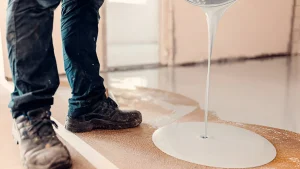
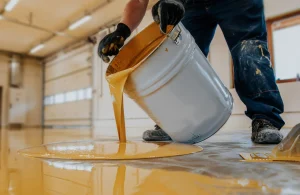
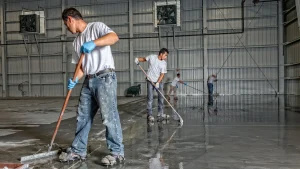
Epoxy garage floors do not have a one-price-fits-all tag. Essentially, you get what you pay for in terms of quality.
Expect to spend anywhere from $1,595 to $3,337 on epoxy garage flooring, with the average cost being about $2,441 nationwide.
Remember, no cookie-cutter option is suitable for every garage. Every house, every owner, and every requirement is unique, so the price tag on your dream floor will fluctuate accordingly.
How Much To Epoxy A Garage Floor?
Epoxy flooring for a garage generally costs between $1,200 and $6,000 for a two-car garage, with a per square foot price range of $3 to $12, depending on factors like the type of epoxy, the size of the garage, and whether you choose DIY or professional installation, similar to the average cost to epoxy garage floor.
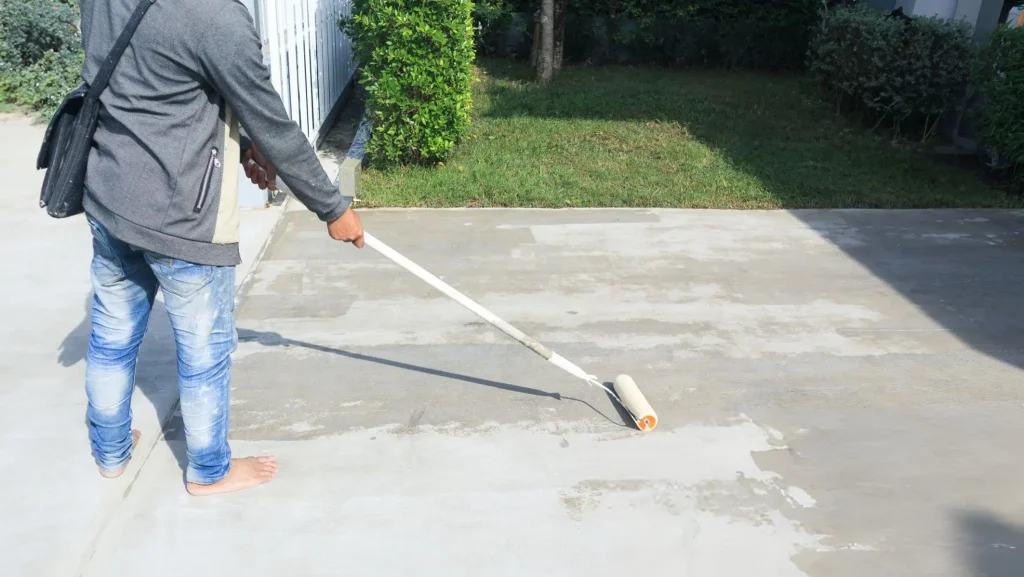
For example, a one-car garage might cost $720 to $2,880, while a more extensive three- to four-car garage can range from $1,700 to $9,500.
Epoxy Garage Floor Price
| Garage Capacity | Garage Size | Water based | Solvent | Solid |
| 1 Car Garage | 240 – 300 | $720 – $1,500 | $960 – $2,100 | $1,200 – $3,600 |
| 2 Cars Garage | 576 – 720 | $1,728 – $3,600 | $2,304 – $5,040 | $2,880 – $8,640 |
| 3 Cars Garage | 864-1296 | $2,592 – $6,480 | $3,456 – $9,072 | $4,320 – $12,960 |
The table shows the typical size ranges and cost ranges for applying epoxy flooring in 1-car, 2-car, and 3-car garages.
The costs are broken down by the type of epoxy used: water-based, solvent-based, and solid epoxy.
Water-based epoxy is generally cheaper but less durable, while solvent-based and solid epoxy options are more durable but costlier.
The costs range from approximately $720 for a small 1-car garage with water-based epoxy to over $12,960 for an oversized 3-car garage using solid epoxy.
Factors On Which Epoxy Garage Cost Depends
The following are the factors on where epoxy garage cost depends:
1. Garage Size
The size of your garage is a direct determinant of the total cost. More oversized garages require more materials and labour, which increases the overall expense.
For instance, epoxying a one-car garage (about 240 square feet) typically costs between $720 and $2,900, whereas a more extensive three—or four-car garage (approximately 700 square feet) can range from $1,700 to $9,500, aligning with the epoxy floor garage price trends.
2. Epoxy Type and Quality
Epoxy flooring is not just a fancy upgrade—it’s an investment. Starting with the most wallet-friendly option, water-based epoxy flirts with your budget at around $30 to $50 per gallon. Do not let its price fool you, though; it is a bit of a lightweight in durability.
For something with a bit more backbone, solvent-based epoxy steps up at $40 to $55 per gallon. Now, if you want the real deal, 100% solids epoxy sits at the top tier, commanding up to $150 per gallon.
While epoxy floor garage prices can climb with quality, you are essentially buying peace of mind with a floor that lasts.
3. Surface Preparation
Proper surface preparation is required for a successful epoxy application and can add immensely to the overall cost.
This involves cleaning, repairing cracks, and potentially grinding the concrete to ensure the epoxy sticks correctly, much like what is detailed in epoxy coating garage floor cost estimates.
Preparation costs can range from $1 to $3 per square foot, depending on the condition of the existing floor . Extensive repairs or cleaning might further increase the costs.
4. Desired Finish
The type of finish you choose can really affect the epoxy coating garage floor cost. Opting for a straightforward, single-tone finish can be kinder to your wallet.
However, if you are eyeing something more special, like metallic shine or decorative flakes, be prepared to pay extra.
Why? Well, these customizations require more materials and additional hands on deck. Sprinkling your floor with trendy vinyl flakes might set you back about $7 per square foot.
What Is Better Than Epoxy For Garage Floor?
When considering alternatives to epoxy for garage floors, polyaspartic and polyurea coatings stand out due to their superior performance in several key areas.
Polyaspartic Coatings
Polyaspartic coatings are known for their durability and rapid curing times.
They cure in as little as an hour, allowing for a quicker return to service compared to the multi-day curing process of epoxy, which often raises questions about epoxy floor cost garage options.
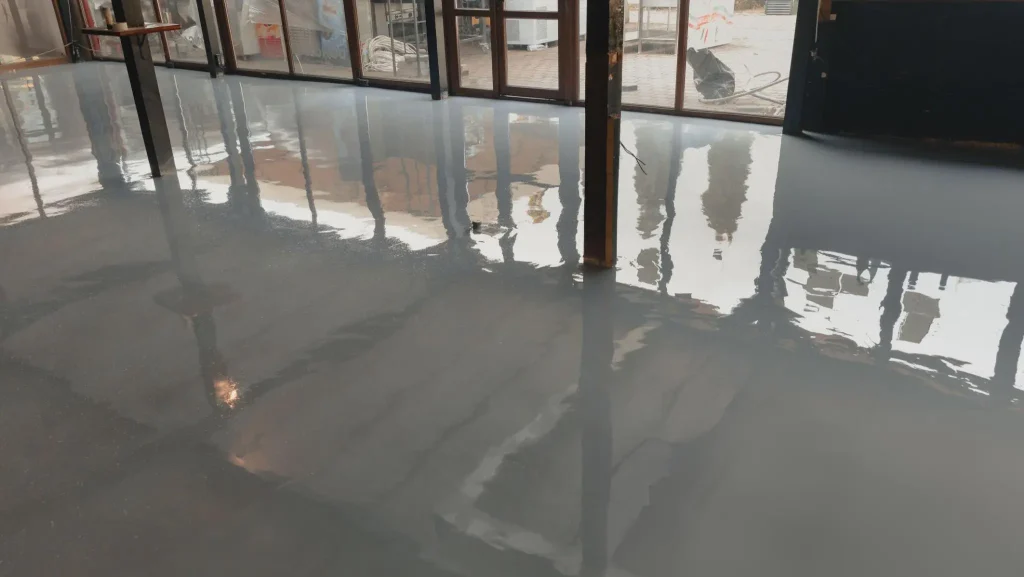
This coating is also highly UV-resistant, preventing yellowing or fading, which is a common issue with epoxy when exposed to sunlight.
Additionally, polyaspartic coatings offer excellent chemical and abrasion resistance, making them ideal for garages that take heavy use and exposure to various chemicals.
Polyurea Coatings
Polyurea coatings pack quite the punch as an alternative to epoxy for garage floors. They are not only rigid and flexible, managing to avoid cracks under heavy stress, but they also resist UV rays and chemicals, keeping your garage looking sharp for the long haul.
While epoxy might have you sliding around when it is wet, polyurea steps up with optional anti-slip features to keep you steady on your feet.
Epoxy Garage Floor Cost FAQs
Is it worth putting epoxy on a garage floor?
While not essential, applying epoxy to your garage floor can be a smart move. It boosts durability and resistance, making cleaning a breeze and giving your garage a polished look.
How long does garage epoxy last?
The lifespan of epoxy flooring in a garage can range from 2 to 10 years, depending mainly on how well it’s applied and maintained.
Can epoxy garage floors crack?
Yes, epoxy floors can crack, mainly if there are issues during installation or maintenance isn’t kept up. Regular checks can help extend its longevity.
Conclusion
Epoxy coating garage floor cost trumps not only the usual polished or stained concrete in aesthetics but also cost-effectiveness over its lifetime and the practicality of maintenance.
It is not just for the experts; even you can master epoxy application with a bit of digging and a straightforward guide on surface prep and application.